
Public Humanities Prize
The Clemente Course Public Humanities Prize honors a change-maker and thought leader whose work exemplifies the ideals of the Clemente Course and its belief in the transformative power of the humanities in public life.
The Prize is made possible through the generous support of the Mellon Foundation. In 2025, the Clemente Course awarded its first Public Humanities Prize to the novelist Phil Klay. The award ceremony, held annually in late September, is always free and open to the public and includes a lecture and conversation.
Nominations are accepted from everyone in the Clemente network. We especially welcome nominations from our students and alumni. Submit
here.
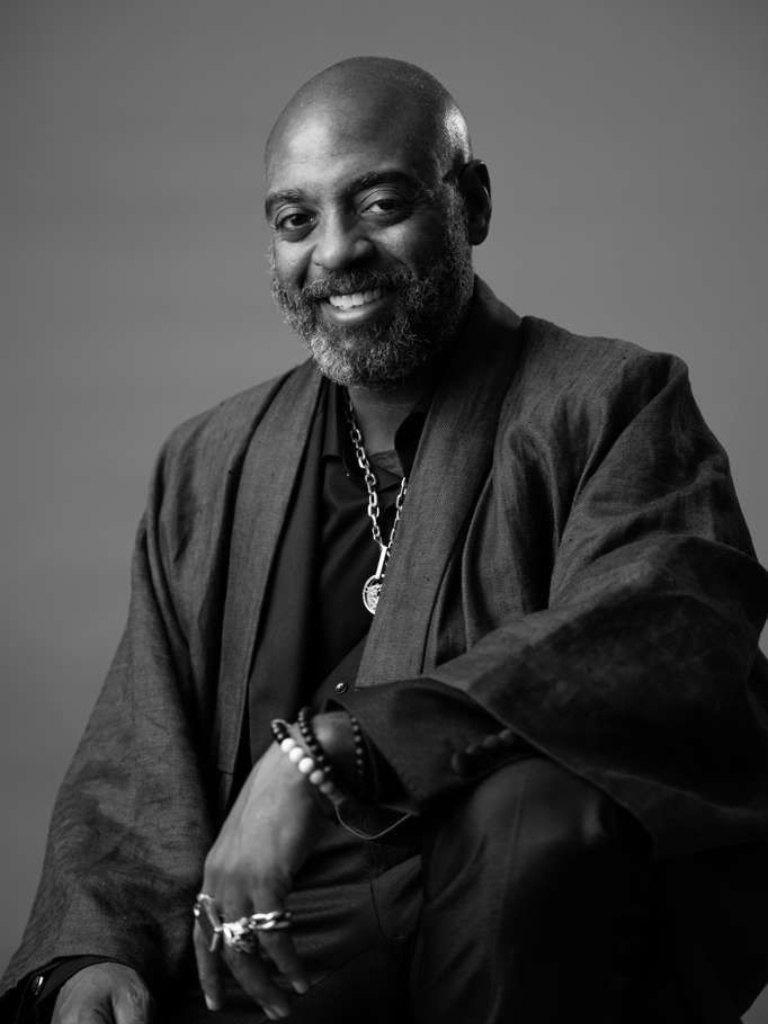
Reginald Dwayne Betts
Reginald Dwayne Betts is a poet, lawyer, and the Founder & CEO of Freedom Reads, an initiative to radically transform access to literature in prisons.
The author of a memoir and five collections of poetry, Betts’ latest poetry book is Doggerel. Betts transformed his 2019 collection of poetry, the American Book Award-winning Felon, into a solo theater show that explores the post-incarceration experience.
In 2019, Betts won the National Magazine Award in the Essays and Criticism category and in 2021 he became a MacArthur Fellow. Betts holds a J.D. from Yale Law School. In 2020, after staying in New Haven post-graduation, Betts founded Freedom Reads, the only organization in the country with a mission to open libraries in prison cell blocks, and thereby supports the efforts of incarcerated individuals to imagine new possibilities for their lives. To date, Freedom Reads has opened more than 600 Freedom Libraries in 60 adult and youth prisons across 15 states. These libraries provide a focus where conversation and community can begin inside and outside of prison walls. They are objects of beauty, handcrafted by teams that include people who themselves have served time in prison. As Betts often declares, “Freedom begins with a book.”
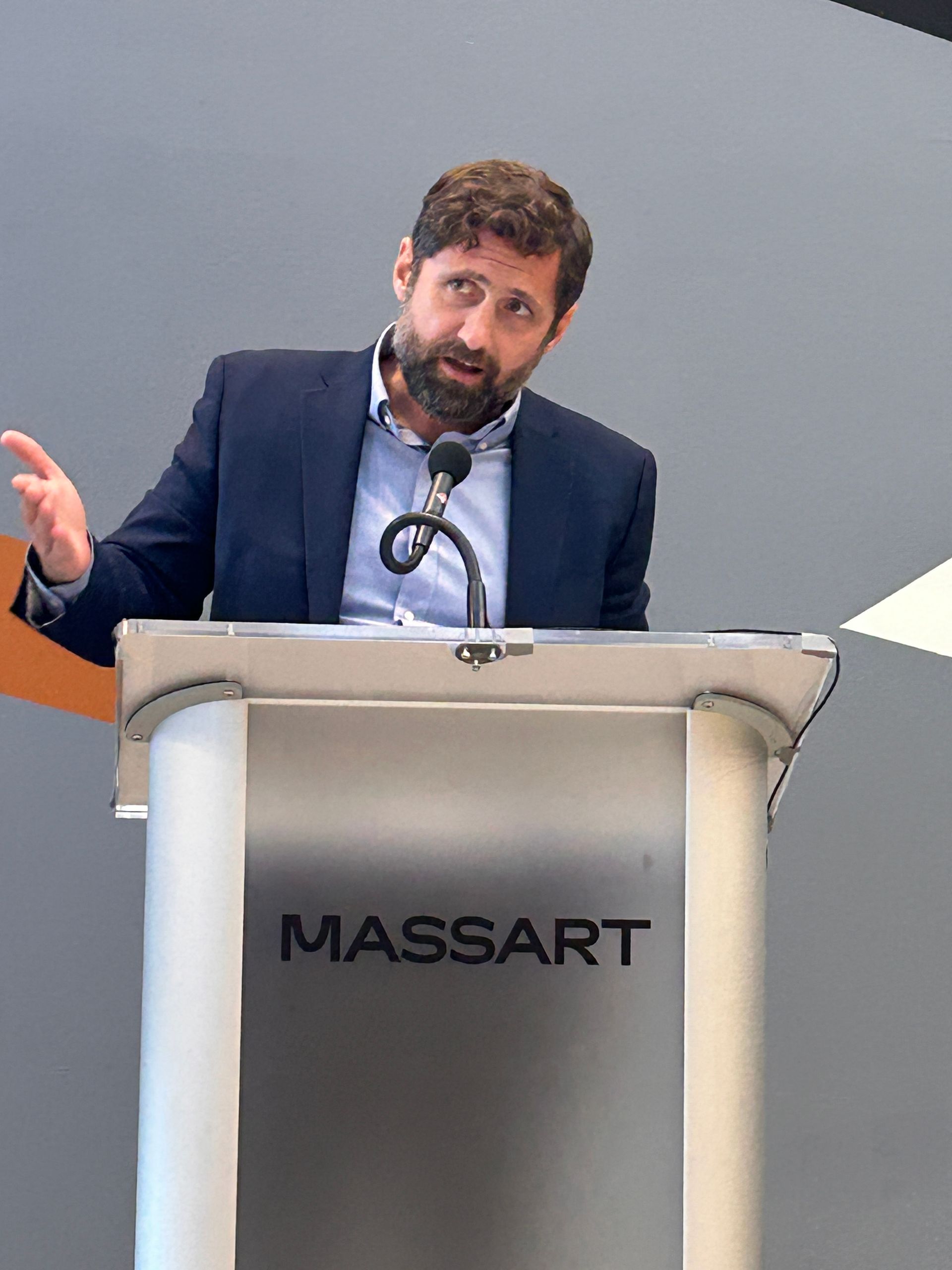
Phil Klay
Phil Klay is a veteran of the U.S. Marine Corps. His short story collection Redeployment won the 2014 National Book Award for Fiction and the National Book Critics’ Circle John Leonard Prize for best debut work in any genre, and was selected as one of the 10 Best Books of 2014 by The New York Times. His novel Missionaries was named one of the Wall Street Journal's best 10 books of 2020, and listed by former President Barack Obama as one of the best books of the year. His nonfiction work won the George W. Hunt, S.J., Prize for Journalism, Arts & Letters in the category of Cultural & Historical Criticism in 2018. His writing has appeared in The New York Times, The Washington Post, The Wall Street Journal, The Atlantic, The New Yorker, and the Brookings Institution's Brookings Essay series. He currently teaches fiction at Fairfield University. His essay collection, Uncertain Ground, was released in May of 2022 with Penguin Press.
I had always loved the humanities, but after serving as a staff officer in the Iraq War, I came home with a set of questions about myself and my service and my country and my soul which could not be answered through technical expertise or vocational training. The humanities went from something I liked to the essential resource I had to think through questions not only of deep personal importance, but also of critical importance in thinking through what was sorely lacking in our public conversation about war and homecoming. I’m hardly the only person who, after their first burst of formal education, finds diving back into the humanities a necessity. In that regard, the Clemente Course in the Humanities is providing an invaluable service, especially as other institutions curtail these kind of courses, and I could not be more honored that they’d consider me worthy of the Clemente Public Humanities Prize.
- Phil Klay, Inaugural Clemente Course Public Humanities Prize Recipient
Amy Richter
Teaching Award
Our annual Teaching Award is established in memory of Dr. Amy Richter. This award celebrates excellence in teaching and honors Amy's enduring commitment to transformative humanities education. The Amy Richter Teaching Award recognizes Clemente faculty members who exemplify exceptional teaching, mentorship, and dedication to students. Any Clemente faculty member who has taught with the program for one year or more is eligible.
Nominations are accepted from current students, alumni, fellow instructors, and course directors. Submit here.
About Dr. Amy Richter
Amy was an accomplished professor of history at Clark University, who wrote books on women in 19th century American history. She taught history for the Clemente Course in Worcester and served as its beloved director. She also built a rich relationship with the important national archive that is The American Antiquarian Society in Worcester, a model for public humanities collaborations. Even while suffering the effects of ALS, Amy poured her energy into teaching. In her last public speech at the Clemente graduation, just weeks before she died, she quoted a line from Walt Whitman’s “Song of Myself”: “For every atom belonging to me as good belongs to you.” Clemente nourished this deep sense of interconnectedness for her. In the words of her husband, Jim Eber, “Amy believed our differences could unite us as much as our similarities and honored both in promoting a sense of unity and empathy, encouraging us to recognize ourselves in others.” Read more about Amy
here.
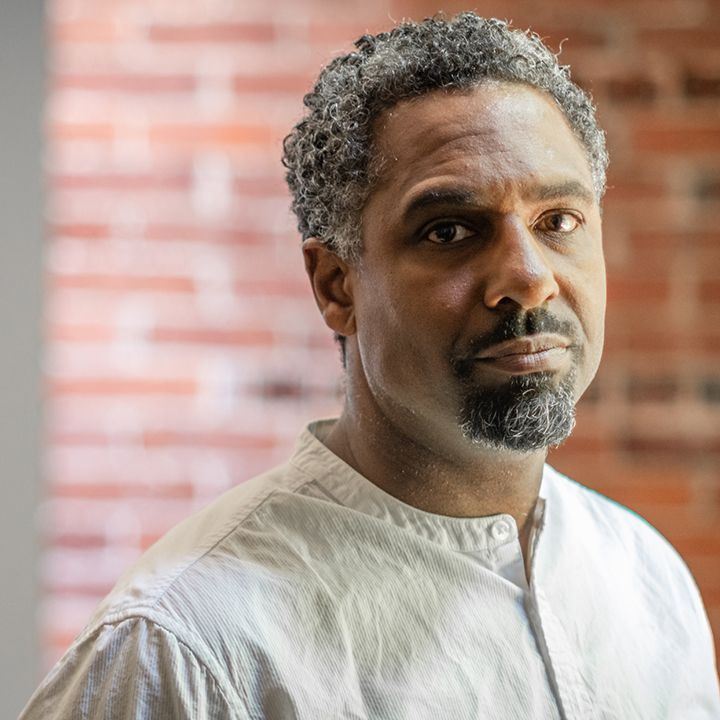
Dr. Ousmane Power-Greene
Dr. Power-Greene completed his B.A. from the University of North Carolina at Chapel Hill and an M.A. and Ph.D. from the University of Massachusetts-Amherst. Before arriving at Clark in 2007, he taught courses at the University of Connecticut-Storrs, Hampshire College, and the University of Massachusetts-Amherst.
A specialist in African American social and political movements, Professor Power-Greene teaches courses for undergraduates and graduate students on American history with a focus on African American internationalism and comparative social and political movements. His book, Against Wind and Tide: The African American Struggle against the Colonization Movement (NYU Press 2014), examines black Americans efforts to agitate for equal rights in the North and Midwest in the face the American Colonization Society’s colonization movement, which hoped to compel free blacks to leave the United States for Liberia. His current research projects include a study of Hubert Harrison and the New Negro movement, an examination of white northern colonizationists, and an exploration of African American emigration movements during the nineteenth century.
Clemente Student Leader Award
Our annual Clemente Student Leader Award recognizes excellence in the classroom and the Clemente community.
Nominations are accepted from course directors and faculty.
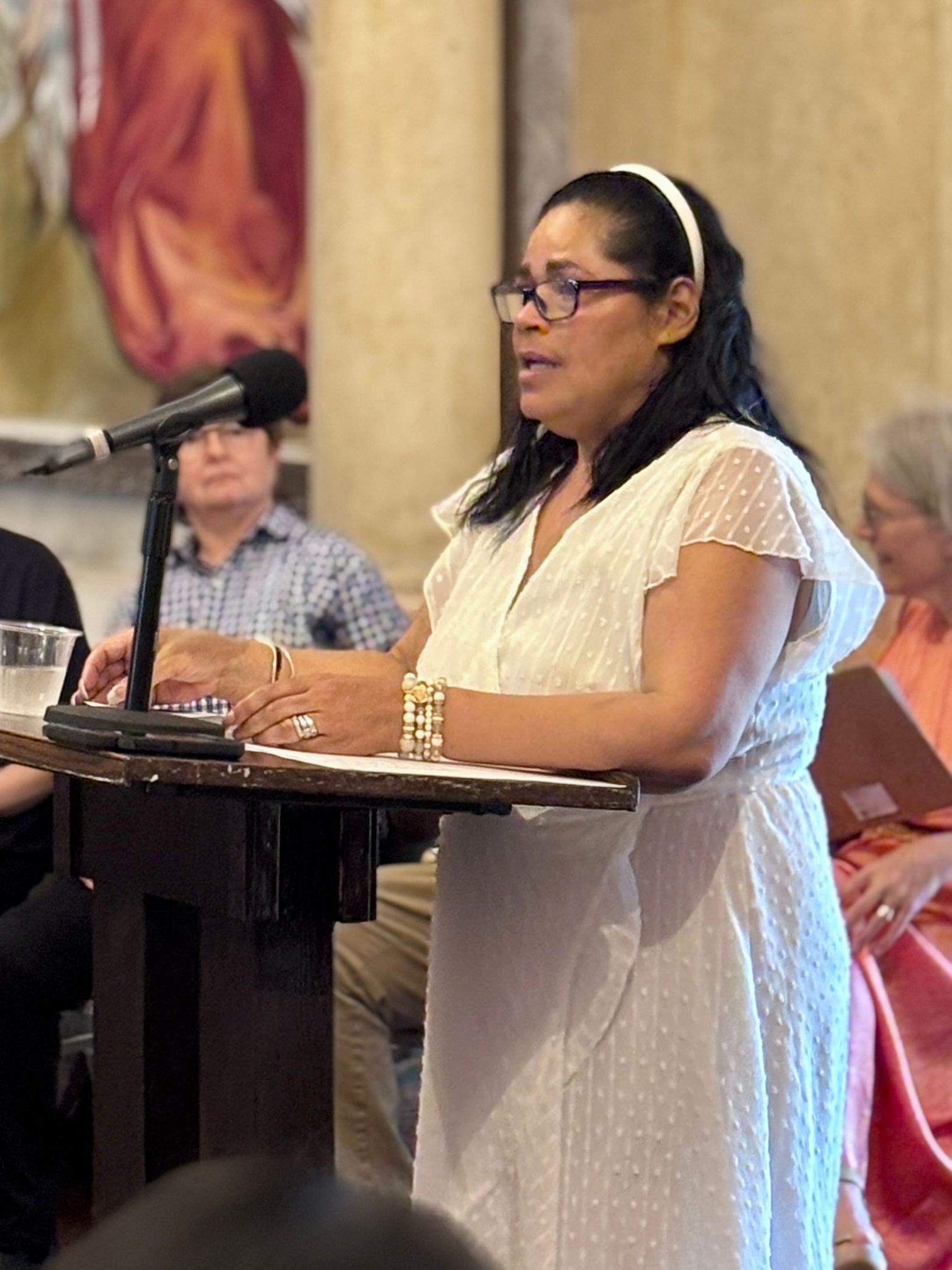
Olga Pedraza (Holyoke)
Olga started Clemente Holyoke in October 2025 and never missed a class. She asked questions, she encouraged her peers; and when it came time to select someone to represent the Holyoke cohort, her classmates chose her without hesitation.
Her professor and Course Director, Pam Thompson, reflects: "She just fixes her eyes on you and you can't let her down. You have to say something that matters." Olga shared what the course gave her: "Clemente has shown me what I am able to do on my own and with help. Clemente has shown that I can achieve my goals even though I live with mental illness. Clemente has shown me that I can be educated and have the possibility to help women like me. Clemente has shown me that I can learn and be an example to others. Clemente has shown me a safe place to go and listen to what others have to say. Clemente has shown me how to make relationships with women and teen moms who I look up to. Clemente has shown me the power of a community of strong women."
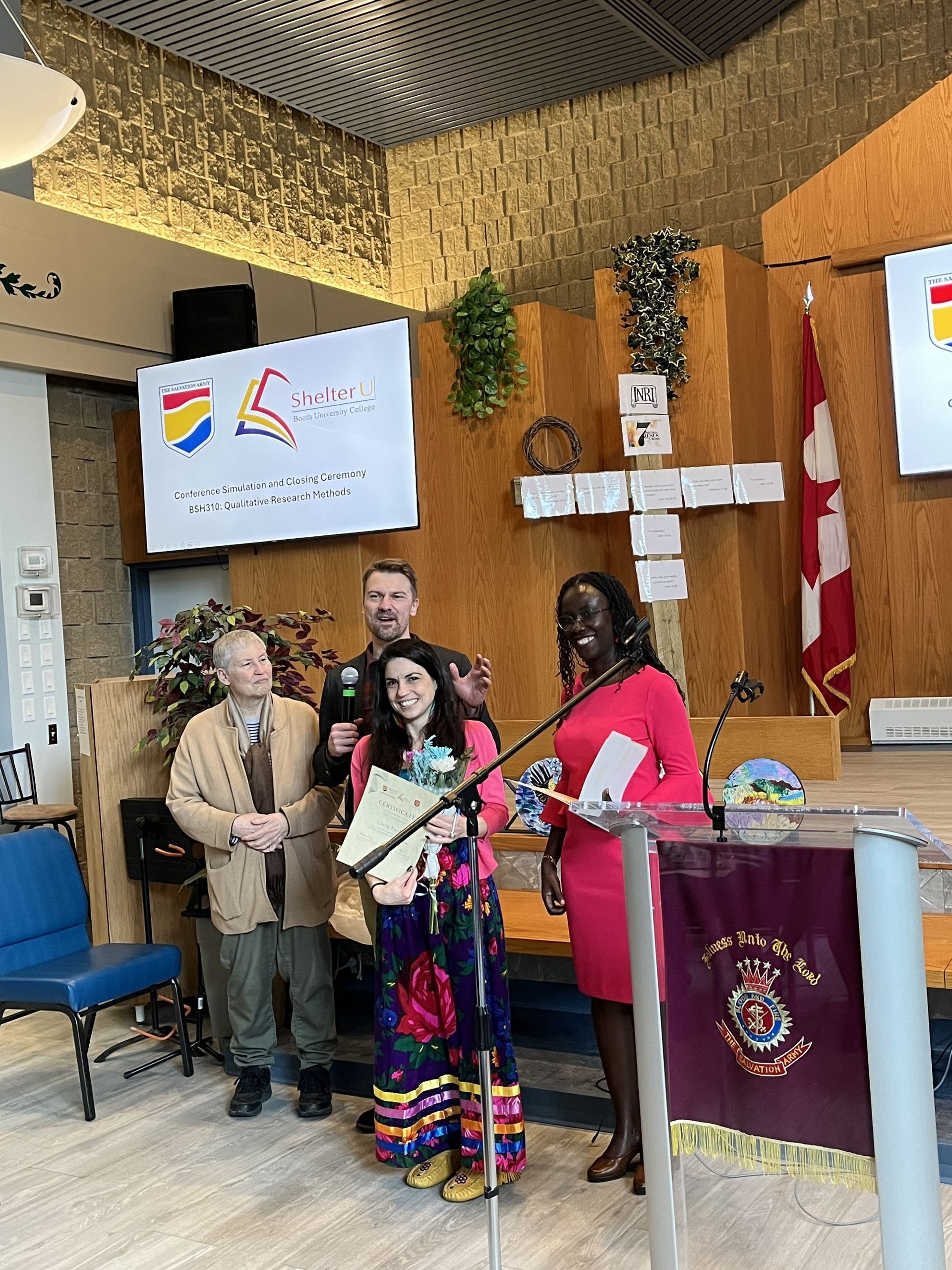
Alicia Taylor (ShelterU Winnipeg, Canada)
Alicia came to Shelter University while living in a safe-house for women recovering from sexual exploitation and addiction. She had some college in her past, but returning to school wasn't something she felt ready for. Alicia recalled: "The mere thought of school made me sick to my stomach. I had just stepped out of years of trauma and was suffering from PTSD among other symptoms leaving me broken and feeling lost." By April 2025, she had completed the course and applied to the Bachelor of Social Work program at Booth University. She now supports current ShelterU students as a Research Assistant and class auditor.
Her professor and Director of ShelterU, Aaron Klassen, explained: "Not only was she a bright light for our course, she also discovered the desire for further campus-based learning. Alicia told me later that this was the turning point for her; having someone notice her and include her in our brave community was dignifying. She felt she belonged and welcome to contribute to the learning process."