Humanities for All
Lela Hilton, Clemente's National Executive Director, reflects on the power and beauty of advocating for the humanities.

Every year in mid-March the National Humanities Alliance hosts an advocacy day to promote the humanities with elected officials on Capitol Hill. This day is not about politics. It is meant for constituents to meet with their Senators and members of the House of Representatives and urge them to support funding for the humanities in the federal budget. We form delegations with representatives from humanities institutions in our own states—everything from big state universities and research centers to small-town libraries and nonprofits—and go from office to office with a common message: The humanities are a fundamental component of a free and democratic society. Please vote to fund them.
The first time I participated was over 10 years ago when a panel of Clemente faculty was invited to inspire advocates the day before their meetings on the Hill in a kind of humanities pep rally. We shared the podium that day with Senators Elizabeth Warren and Richard Durban, both of whom represent the states with our largest Clemente programs, as well as former ambassador Karl Eikenberry. Admittedly, I was a bit starstruck.
But what still resonates deeply about that day was Ambassador Eikenberry’s comment that the most important work he’d done as ambassador was to rebuild religious and cultural centers. Because Ambassador Eikenberry came from such a strong military background, this surprised me. He was talking about roses, not guns. But of course, it made perfect sense. To rebuild or strengthen a country, it is critical to preserve its history and culture.
The humanities are a fundamental component of a free and democratic society.
March 15th was the second virtual Humanities Advocacy Day since COVID. It was tough hearing from colleagues how the economic fallout from the pandemic had shattered so many cultural institutions and communities, particularly the smaller ones. And I missed the majesty of the Capitol building and the Mall and the gentle camaraderie that builds over the day as we learn more about each other’s work, finding common purpose regardless of whether we are from red or blue states.
But what was more palpable than ever this year, even through back-to-back Zoom meetings—will they ever end?—was the urgency and commitment in each conversation. I was moved by the creativity and vision that humanities organizations have harnessed to help their communities navigate through COVID to address housing and food insecurity, and help families keep their kids healthy and connected to their schools. And I was impressed by how positive and receptive our elected officials and their staff were to the notion that to weather this, and the next storm, we need strong cultural and community institutions. What was true for Ambassador Eikenberry over a decade ago is also true for us today.
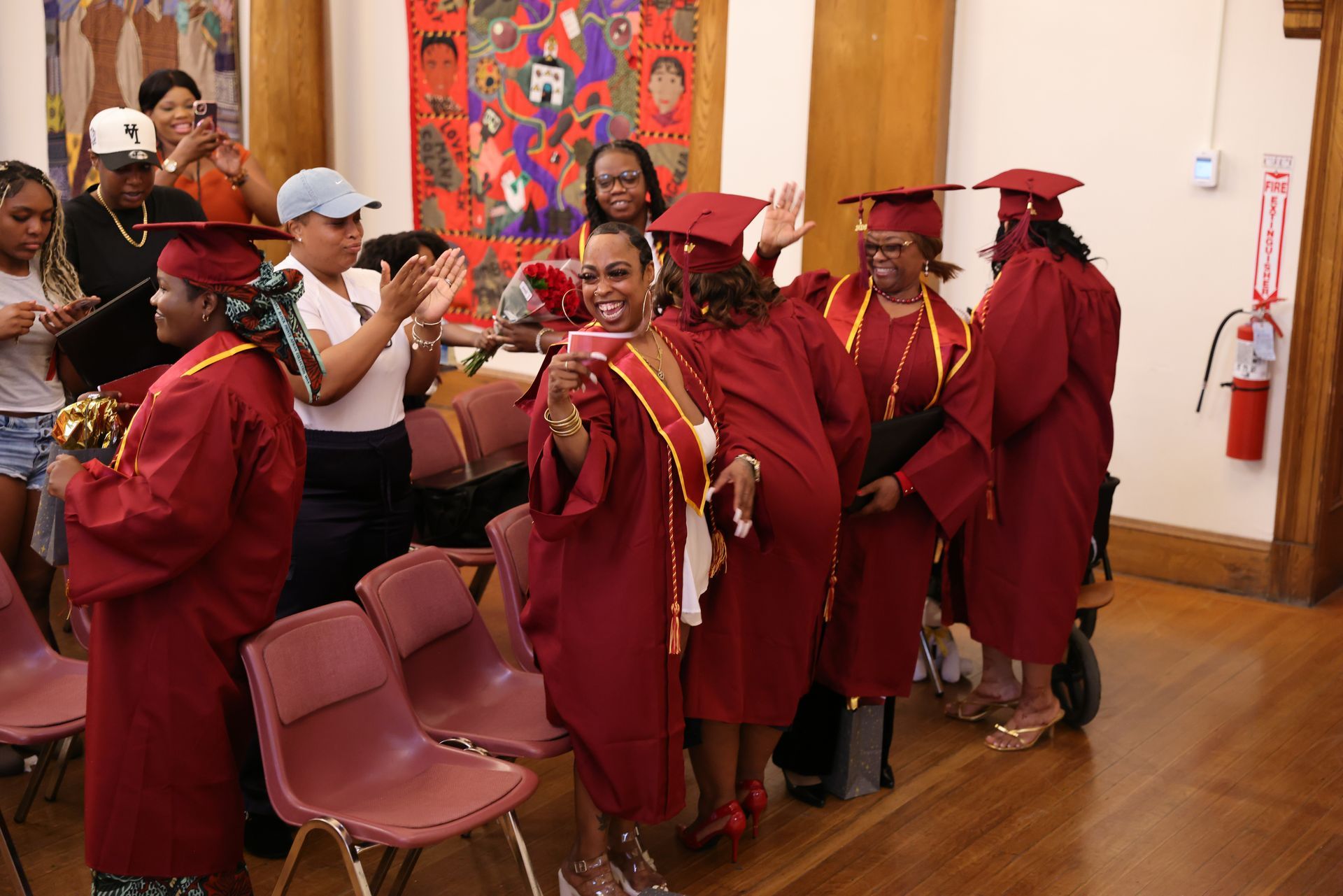
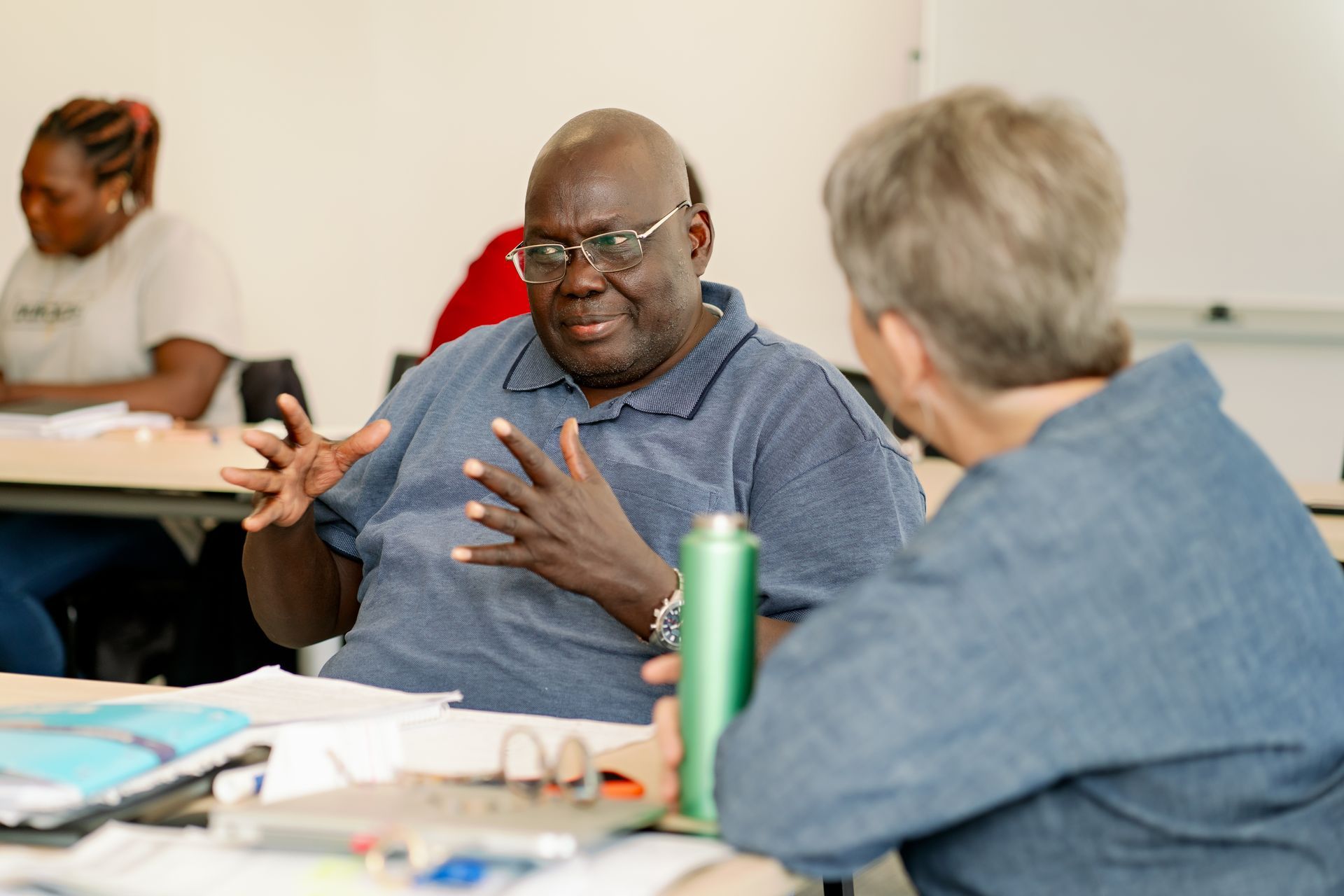
Clemente, like our universities, libraries, and larger cultural institutions, plays a critical role in maintaining the resilience of our communities and our democracy. The stories we hear regularly from our students and our faculty are every bit as inspiring as any of the stories I heard during my day “on the Hill.” In the research we’ve done about Clemente over the last 25 years, one of the key messages we hear from our students is that studying philosophy, history, art, and literature, honing critical thinking skills, and becoming stronger writers builds their confidence and gives them a profound sense of agency.
The joy of seeing this work firsthand comes with the responsibility to be a voice for Clemente, continuously communicating its value and advocating for the resources to bring transformative educational experiences to as many students as possible. It is always an honor to represent Clemente at the Humanities Advocacy Day, and I’m looking forward to doing so again next year—hopefully, back on the Hill.