An End-of-Year Reflection
Lela Hilton, Clemente's National Executive Director, offers some thoughts about Clemente and the humanities as we close out 2021.

When I first read about Clemente in Harper’s Magazine, I was working for a big state university and charged with developing educational programming to address the collapse of our region’s natural resource based economy. Like most efforts to served displaced workers, ours was focused on acquiring new, marketable skills, which all seemed to make perfect sense at the time.
But Earl Shorris’ 1997 article reminded me that what was even more essential for the survival of these workers, their families, and our community was that those who were most impacted have a voice in how our community responded to these challenges.
Shorris’ words also hit home for me because as a single parent who had put myself through college, I knew that it was poetry and art and philosophy that helped me make meaning when I felt myself slipping into despair and powerlessness. And it was because of a World Revolutions course I took in high school that I believed I had a right, and an obligation, to use my voice in service to my community. Why wouldn’t the same be true for my neighbors whose way of life had all but disappeared over the course of a few decades? To find out, I quit my big university job and started the first, and still the only rural Clemente Course in 1999. And I never looked back.
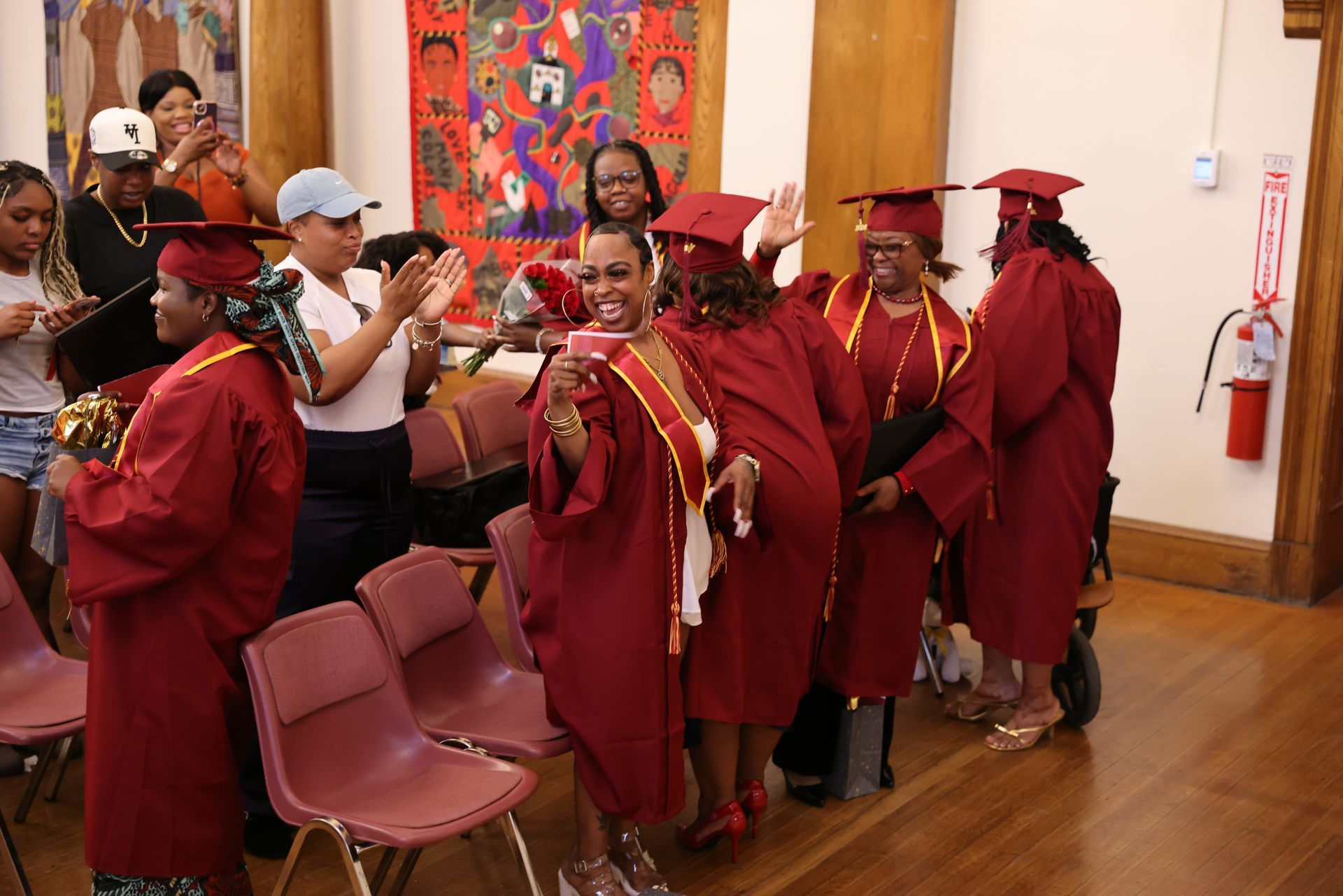
In our most recent Clemente Quarterly — subscribe here —you will meet six graduates who have achieved great things, one of whom was one of my very first students, Amy Howard, now in her second term on city council. Their stories are exemplary, but they are by no means uncommon for , Clemente graduates . What their stories and my experience teaching and learning in a Clemente classroom will tell you is that deep, sustained engagement with the humanities changes lives, and often does so most profoundly for those of us who are the most vulnerable.
Ask my student who had a breakthrough in her struggle with addiction after a class discussion about Marcus Aurelius’ Meditations. Ask the young man who had skipped parole but turned himself back into the court after a class discussion about what our founders meant by “the pursuit of happiness.” Ask the victim of domestic violence who “reclaimed her power back” after reading the Ring of Gyges. Ask me, and I will tell you that what I have learned from my Clemente students and colleagues has changed me profoundly, and often, over these past two+ decades.
There is a lot of discussion these days about the efficacy of the humanities. How do we define the humanities, and who gets to decide? Where and how should they be taught, and by whom? Will they help me get a job? Will they make me a better person? These are important questions, and in and of themselves, they reflect the central elements of humanistic inquiry: self-reflection, critical thinking, humor, empathy, courage, civic engagement, self-actualization, creativity, humility.
Here’s to more humanities for all of us in the new year!