Our Mission
The Clemente Course in the Humanities provides a transformative educational experience for adults facing economic hardship and adverse circumstances. Our free college humanities courses empower students to further their education and careers, become effective advocates for themselves and their families, and engage actively in the cultural and civic lives of their communities.
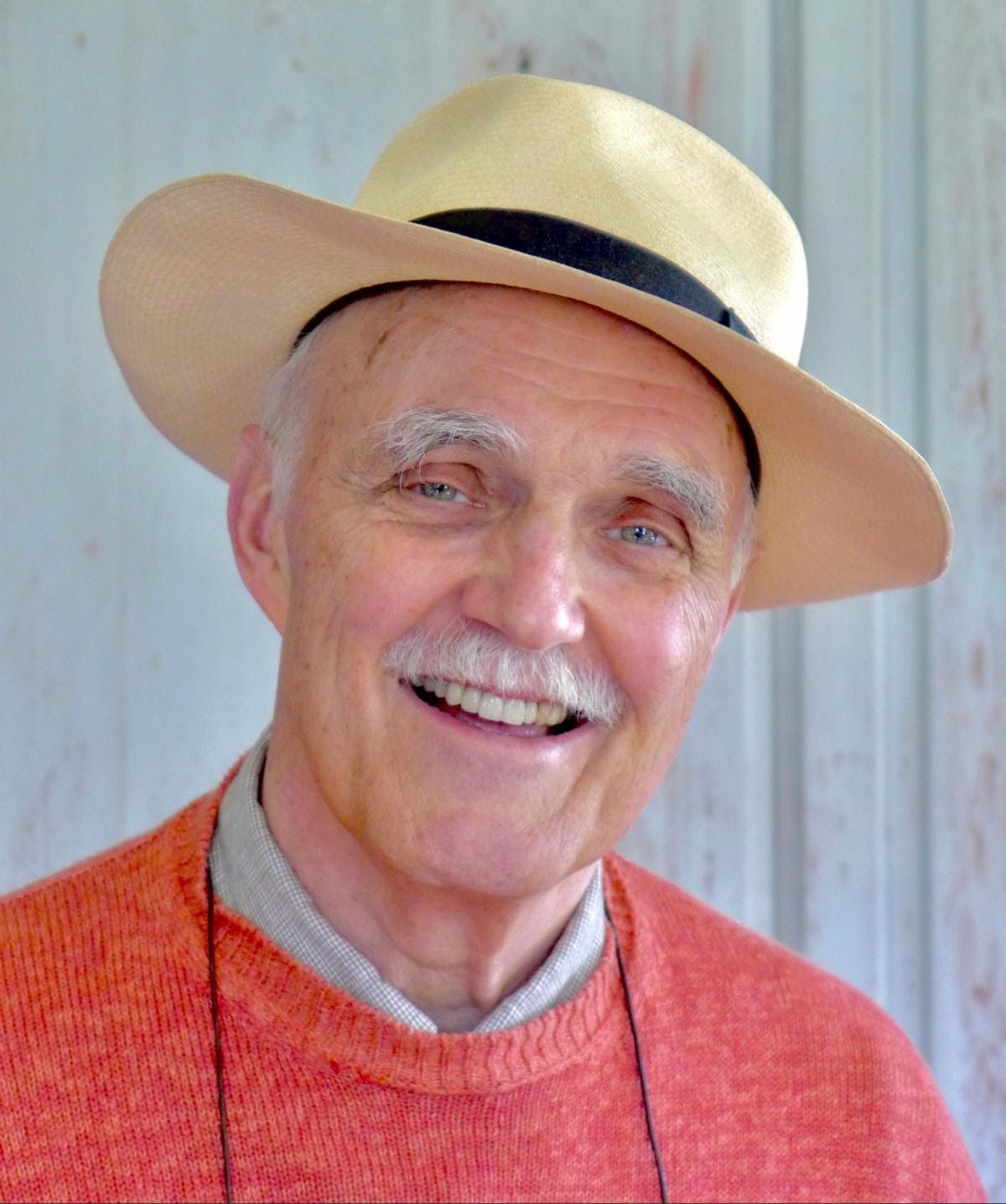
Starling R. Lawrence
Clemente Founding Board Member,
Publishing Leader & Acclaimed Author
It is with deep sadness that we let the Clemente community know that chairman emeritus of The Clemente Course, Starling R. Lawrence, has passed away.
Star was part of Clemente from the beginning and was someone without whom our experiment of bringing the humanities to the underserved would not have happened. Aside from being our founder Earl Shorris’ closest friend, trusted confidant, and book editor, he supported the launch of Clemente by, among other things, arranging for W.W. Norton to provide the texts to the first classes of Clemente students. He went on to champion Clemente in innumerable ways, shaping us into the organization we are today.
As the obituary for Star in
The New York Times
makes clear, Star was a man of innumerable accomplishments. He was a giant in the publishing world, having edited books from some of the most critically and commercially successful authors in America. He truly shaped the field of American letters, discovering and nurturing best-selling authors including Michael Lewis. Star was also an accomplished author himself, whose celebrated novels included
The Lightning Keeper
and
Montenegro.
We will be forever grateful for Star and all he has done for Clemente and his memory will be a blessing for his family and for all of us in the Clemente community.
Please consider making a
donation
to the newly created Starling R. Lawrence Endowment at Clemente in his honor.
The Power of the Humanities
The Clemente Course in the Humanities provides a transformative educational experience for adults facing economic hardship and adverse circumstances. Our free college humanities courses empower students to further their education and careers, become effective advocates for themselves and their families, and engage actively in the cultural and civic lives of their communities.
Recent News